Daylighting and design

How windows shape modern Canadian architecture
Framing the view
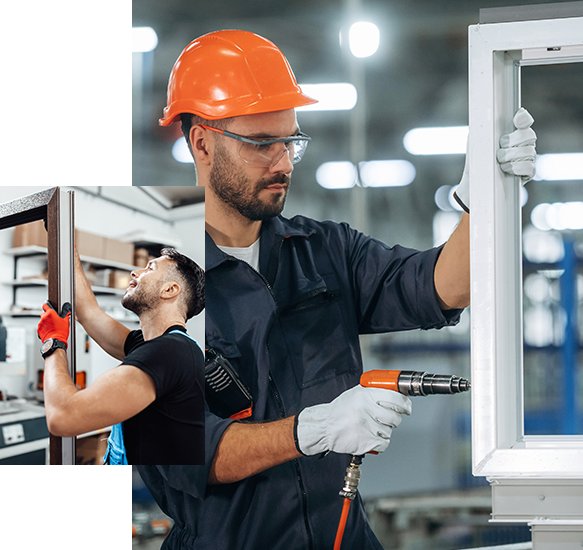

Boost your home’s energy performance
Within Canada’s varied climate zones, a window’s thermal performance remains paramount. Key metrics include the U-factor, which measures heat loss, and the Solar Heat Gain Coefficient (SHGC), indicating solar radiation blockage capacity. In colder regions, a lower U-factor is crucial, while balancing SHGC helps capture passive solar heat during winter months. Modern units use inert gas fills like argon between panes and apply low-emissivity (Low-E) coatings to reflective surfaces, which dramatically reduces thermal transfer without sacrificing optical clarity. These technologies work together to maintain comfortable indoor temperatures and reduce energy consumption throughout the year.
Window designs for every style
to match every aesthetic
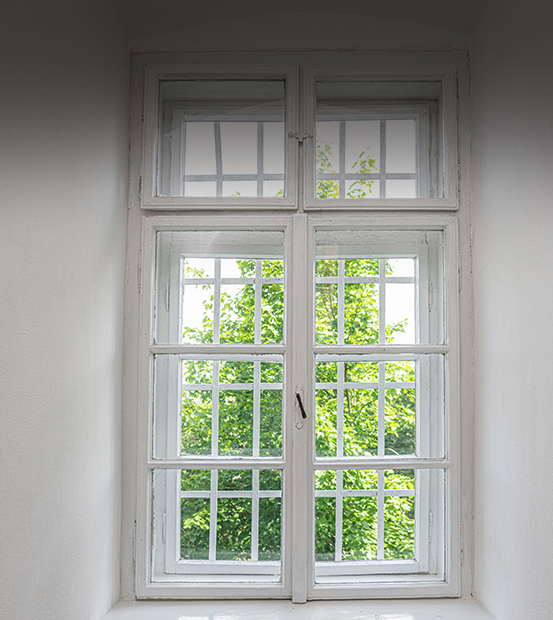
Why casement windows offer versatility
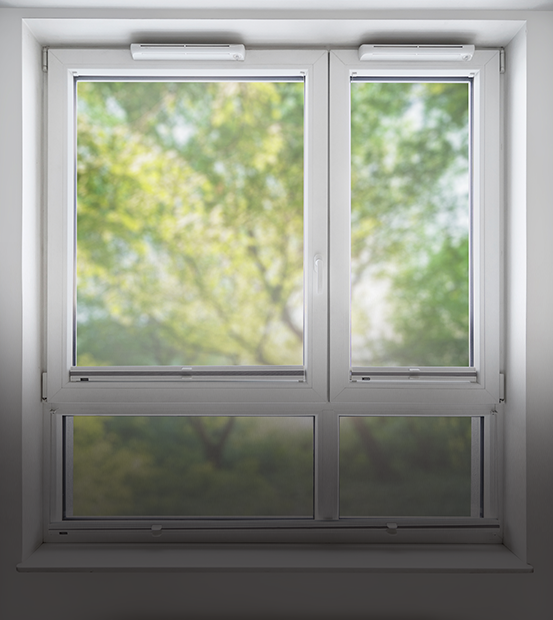
Space-saving sliding window designs
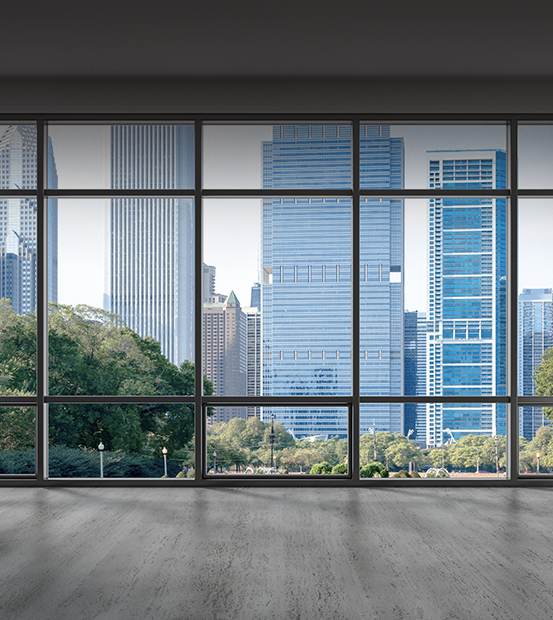
Maximize views with picture windows

Materials shaping modern window frames
The frame material forms the structural heart of any window, dictating its durability, insulating properties, and ongoing maintenance needs. This choice directly influences long-term performance, particularly in climates with significant temperature fluctuations, affecting everything from energy bills to a home’s exterior aesthetic appeal. Each option offers a distinct balance of benefits.
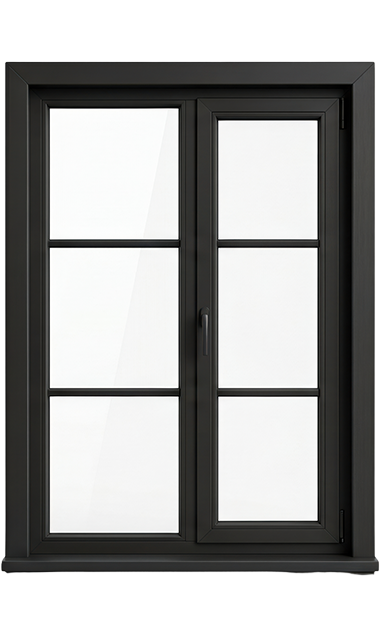
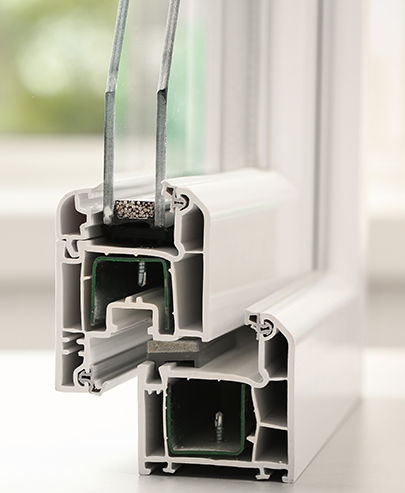
Durable, cost-effective vinyl frames
A multi-chambered profile delivers excellent thermal resistance and requires minimal long-term maintenance.
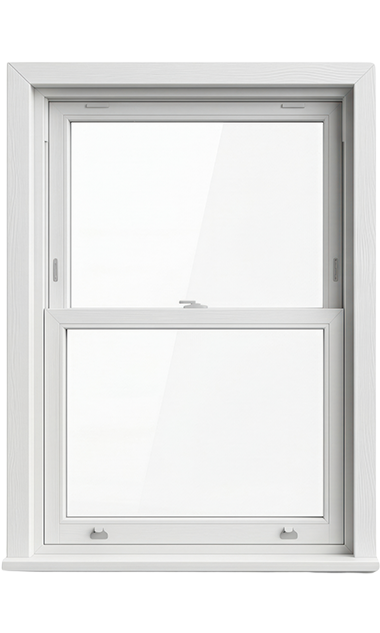
Structural strength of fibreglass
This material resists expansion and contraction, making it ideal for extreme weather conditions.
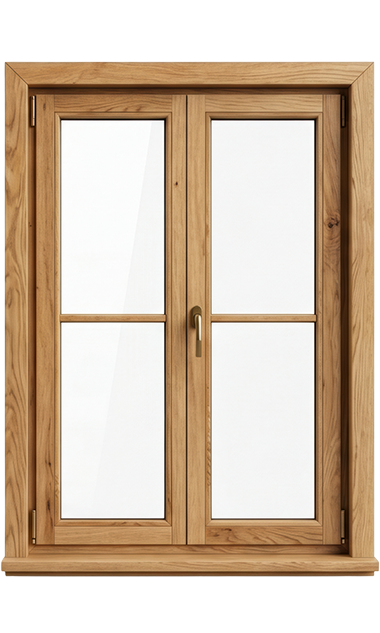
Natural warmth from wood frames
Often protected by exterior aluminum or vinyl cladding for superior weather resistance.
Fenestration’s role in architectural identity
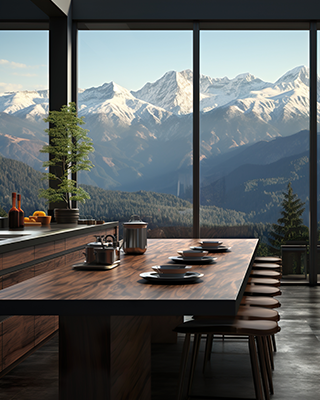
Beyond their practical function, windows are a primary tool for architectural expression. Their placement, size, and style define a building’s character, control natural light flow, and forge connections between interior living spaces and the surrounding landscape. A strategically placed window can frame stunning views of a forest or lake, turning nature into a dynamic element of the home’s interior design.
Renovation and window installation tips
The performance of a high-quality window depends entirely on its installation. A precise fit, proper flashing, and a complete air seal are essential for preventing water intrusion and costly heat loss. Professional techniques ensure the unit integrates seamlessly with the building’s weather-resistive barrier.
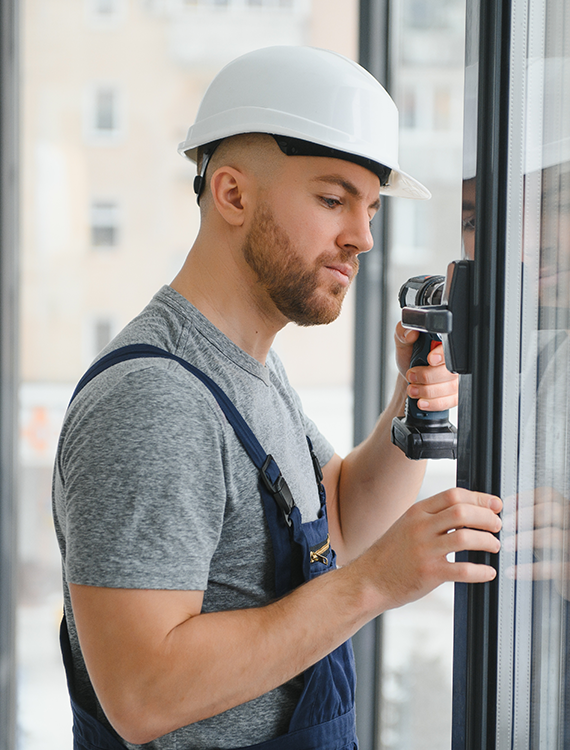
Securing the opening

Achieving weather-tight window seals
Achieving a durable barrier against the elements requires several critical steps. Technicians apply a self-adhering waterproof membrane to the rough opening before the window is positioned. Flashing is then carefully integrated with the home’s weather-resistive barrier to direct water away, while low-expansion foam insulation fills the gap between the frame and wall structure, preventing air drafts.
Full-frame versus retrofit installation methods
A retrofit inserts a new unit into an existing frame, while full-frame replacement addresses underlying structural issues.
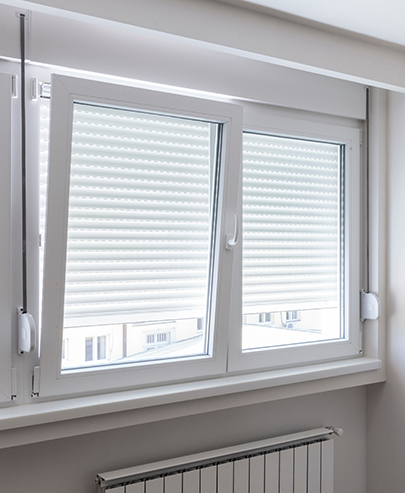
Egress and safety code compliance
Bedroom windows must meet minimum size requirements for emergency escape, as mandated by local building codes.